SPACEXTENDED ARCHITECTS
Calicut
Bldg No-28/2216 A, Nellikode junction, Thondayad Bypass, Calicut- 673016, Kerala India
Kannur
28/294 , Kannan's Behind Capitol Mall , Muzhathadam Civil Station - P.O , Kannur, Kerala - 670 002 , India
Business
design@spacextended.comCareers
admin@spacextended.com© 2024 Spacextended Architects. All rights reserved.
Architecture as a Strategic Pillar in Real Estate Development
02.01.2026 | By Team SXT
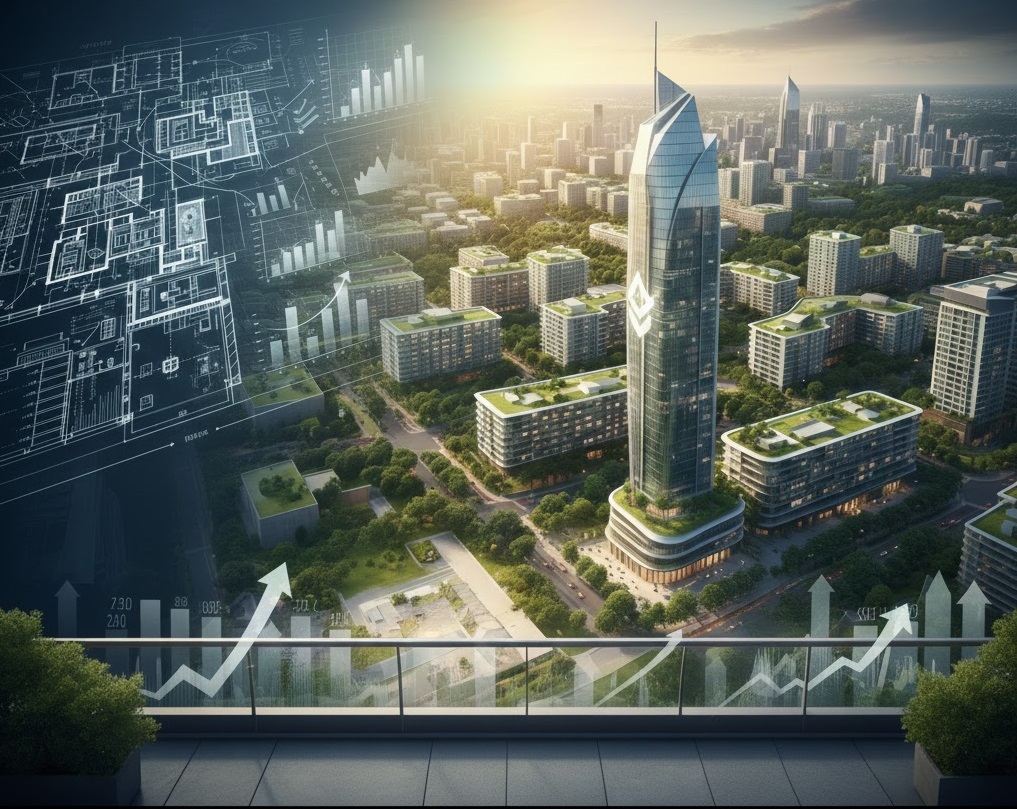
Architecture plays a core strategic role in real estate, extending far beyond aesthetics to directly influence value creation, sales performance, user satisfaction, and long-term asset success. Being the top corporate architect in Kerala, we approach architecture with intelligence and market insight, transforming raw land into compelling, market-ready developments that perform commercially as well as experientially.
When executed strategically, architecture becomes a powerful business tool, shaping perception, enhancing functionality, and driving measurable real estate outcomes. Below is how architecture contributes at every critical stage of real estate development:
1. Architecture Increases Property Value
Good architecture creates measurable financial uplift. It maximizes usable areas through better carpet ratios, efficient layouts, and intelligent circulation planning. Enhanced natural light, ventilation, and optimized views significantly improve spatial quality and comfort. These elements collectively create a premium perception, allowing buyers to recognize tangible value.
Result: Even with the same built-up area, well-designed projects command higher pricing and stronger demand.
2. Enables Faster Sales & Stronger Branding
Architecture acts as a powerful marketing tool. Iconic façades, cohesive design concepts, and a clear architectural identity help projects stand out in crowded markets. Well-planned layouts are easier for sales teams to explain and for buyers to visualize, accelerating decision-making.
Result: Architecture strengthens brand recall, builds buyer trust, and reduces sales cycles.
3. Optimizes Land Use & Regulatory Compliance
Architectural expertise ensures maximum value extraction within FAR/FSI and zoning regulations. Smart block placement, efficient parking layouts, and well-integrated services minimize dead spaces and circulation loss. Every square foot is strategically planned for usability and saleability.
Result: The same parcel of land delivers higher saleable value - legally and efficiently.
4. Enhances User Experience & Livability
Architecture directly impacts daily living and working experiences. Thoughtful planning improves light, airflow, privacy, noise control, and functional zoning. Seamless movement through lobbies, corridors, elevators, and common spaces enhances convenience and comfort.
Result: Satisfied users lead to better reviews, higher resale value, and long-term brand credibility.
5. Reduces Construction & Lifecycle Costs
Well-resolved architectural design minimizes structural complications and on-site clashes, reducing delays and rework during construction. Integrated planning also enables energy-efficient systems and passive design strategies.
Result: Lower construction costs and reduced operational and maintenance expenses post-handover.
6. Supports Sustainability & Future Asset Value
Climate-responsive architecture reduces energy consumption and long-term maintenance costs while aligning with future regulations and evolving buyer expectations. Sustainable design enhances durability and relevance over time.
Result: Sustainable architecture future-proofs real estate assets and preserves long-term value.
7. Aligns the Product with the Target Market
Architecture defines the positioning of a real estate project - luxury versus budget, investor-focused versus end-user driven. Spatial flexibility, unit mix, and amenity planning directly influence rental yield, adaptability, and market appeal.
Result: The right architectural strategy attracts the right buyer and ensures consistent demand.
In Simple Terms, Architecture converts land into a desirable, saleable, and enduring real estate product. Without strong architectural intelligence, real estate is merely construction. With it, developments achieve differentiation, market relevance, and sustained success.
Related blogs
Tropical Architecture: Designing for Heat, Rain & Ventilation

Tropical architecture is fundamentally an exercise in environmental intelligence, where design decisions are driven less by visual trends and more by climatic realities. Regions characterized by high temperatures, intense humidity, and heavy rainfall demand an architectural approach that prioritizes thermal comfort and resilience over superficial aesthetics. Poorly adapted buildings in tropical zones often rely excessively on mechanical cooling, leading to high energy consumption and compromised indoor comfort. In contrast, well-conceived tropical architecture works with the climate rather than against it, using passive design strategies to moderate heat, manage moisture, and create naturally comfortable living and working environments.Heat mitigation is the cornerstone of tropical design. This begins with building orientation, shading strategies, and envelope performance. Deep overhangs, verandahs, louvers, and recessed openings reduce direct solar gain while allowing daylight penetration. Material selection plays a critical role, light-colored finishes, breathable wall systems, and thermally efficient roofing help minimize heat absorption and retention. Equally important is spatial planning: higher ceiling heights, open layouts, and transitional spaces such as courtyards and semi-open zones allow heat to dissipate rather than accumulate. These elements are not stylistic choices, but climatic responses refined through decades of vernacular wisdom and contemporary environmental research.Rain and ventilation complete the triad of tropical architectural considerations. Heavy rainfall necessitates robust roof forms, efficient drainage systems, and moisture-resistant detailing to prevent long-term structural and material degradation. Sloped roofs, extended eaves, and elevated plinths protect buildings from water ingress while enhancing durability. Natural ventilation, meanwhile, is the most powerful passive tool in tropical architecture. Cross-ventilation achieved through strategic window placement, operable facades, and internal airflow corridors ensures continuous air movement, reducing humidity and improving indoor air quality.As leading architects in Kerala, we integrate these climatic principles into every project, ensuring that design excellence is inseparable from environmental intelligence. As top architects in Kerala, we deliver built environments that are climatically responsive, energy-efficient, and enduring, architecture that is deeply rooted in context and uncompromising in performance.
Timeless Design vs Trend-Driven Architecture: What Truly Lasts?
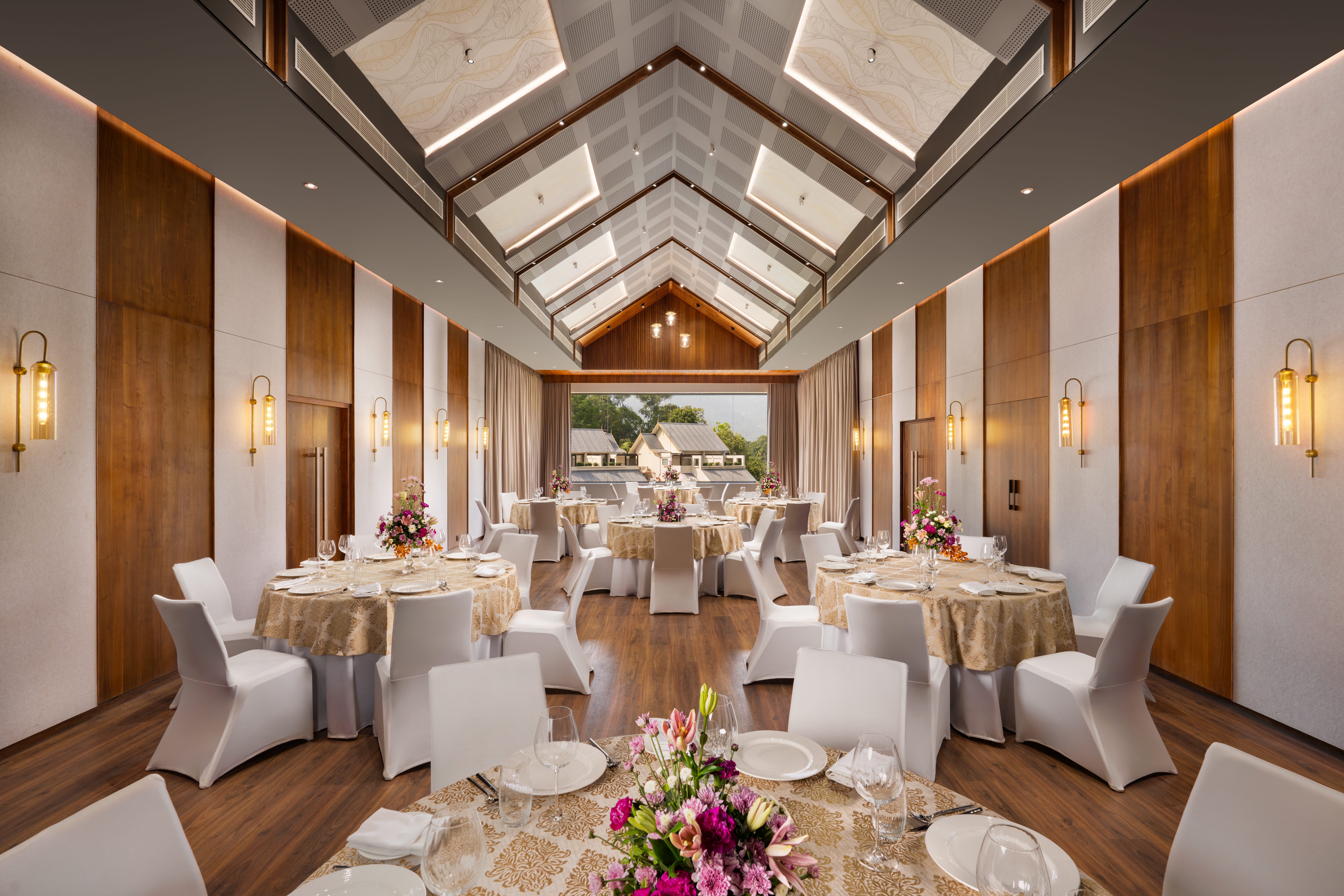
In architecture, the distinction between timeless design and trend-driven expression is not merely aesthetic; it reflects fundamentally different philosophies of longevity, value, and purpose. Trend-driven architecture is often a response to the cultural moment shaped by prevailing visual preferences, emerging materials, or social media–fuelled aesthetics. While such designs can achieve immediate impact and recognition, they frequently carry an inherent expiration date. As trends evolve, buildings conceived primarily to align with a specific era risk appearing dated, requiring costly renovations or losing relevance altogether. Architecture that prioritizes novelty over endurance may satisfy short-term visual appeal, but it rarely sustains long-term architectural or economic value.Timeless design, by contrast, is rooted in principles that transcend fashion, proportion, scale, material authenticity, climate responsiveness, and functional clarity. These buildings are not defined by what is popular, but by what is fundamentally sound. Timeless architecture evolves from a deep understanding of context: cultural, environmental, and human. It respects site conditions, employs materials that age gracefully, and embraces spatial logic that remains relevant across generations. Rather than relying on dramatic gestures or fleeting stylistic elements, timeless design achieves distinction through restraint, balance, and intentionality. Its endurance lies in its ability to remain visually and functionally relevant even as surrounding architectural narratives shift. As leading commercial architects in Kerala, we recognise that what truly lasts is architecture that resists the temptation of excess and instead invests in meaning, performance, and adaptability. This does not imply a rejection of innovation or contemporary expression, but rather a disciplined integration of modernity within a framework of enduring values. Buildings that stand the test of time are those designed with foresight, anticipating changing needs while remaining anchored in architectural fundamentals. As top corporate architects in Kerala, we consistently uphold timeless design as the ultimate measure of architectural excellence: quietly confident, resilient, and perpetually relevant.
Courtyard-Centered Homes in Contemporary Architecture
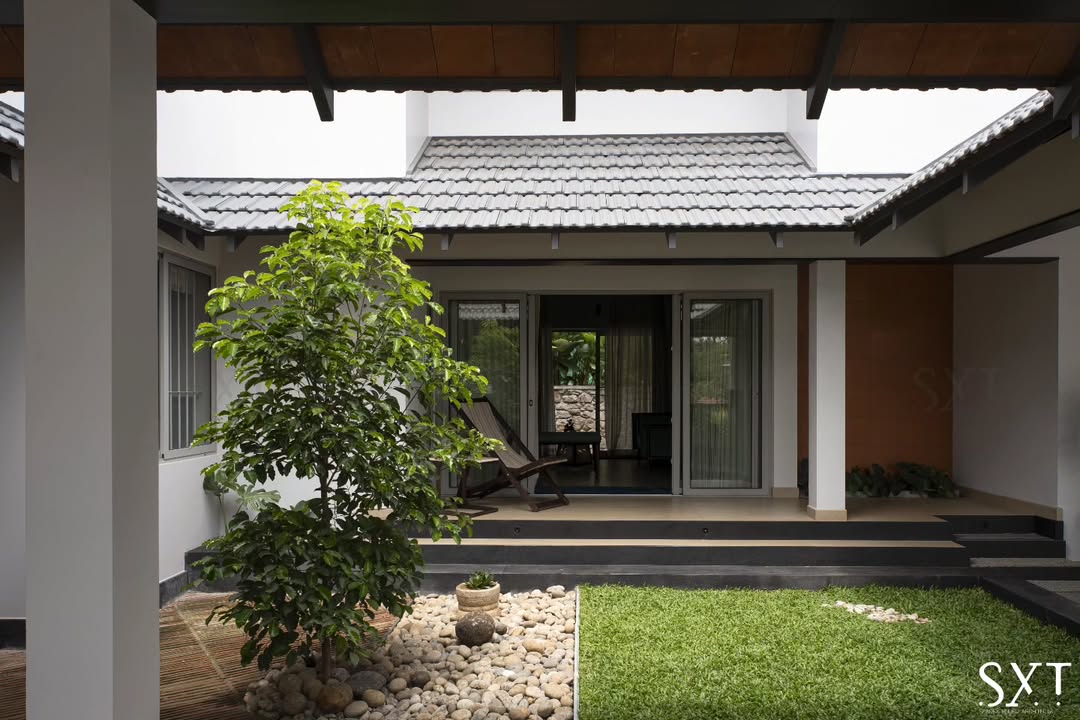
As the top architects in Kerala, we regard courtyard-centered homes as a refined architectural response to the growing demand for privacy, climatic control, and spatial quality within dense and evolving urban contexts. Rooted in vernacular traditions yet rigorously reinterpreted through contemporary design principles, the courtyard is no longer a nostalgic element but a highly strategic spatial device. It functions as an internal anchor - structuring circulation, mediating between built and open spaces, and establishing a controlled interface with the external environment. In our residential architecture, the courtyard transcends ornamentation, operating as an instrument of environmental performance and experiential depth.From a climatic and environmental perspective, our approach reflects the principles that define the best architects in Kerala. Courtyards act as passive regulators of light, heat, and airflow, enabling deep daylight penetration while tempering harsh solar exposure through calibrated proportions, shading systems, and integrated landscapes. When strategically positioned, they facilitate cross-ventilation and stack-effect cooling, significantly reducing reliance on mechanical systems while enhancing indoor comfort. This inward-oriented planning also introduces a deliberate degree of enclosure, shielding living spaces from noise, visual intrusion, and climatic extremes, while sustaining an uninterrupted connection to nature—an increasingly critical parameter in contemporary residential design. Architecturally, courtyard-centered homes allow us, as luxury home architects in Kerala, to orchestrate a nuanced balance between openness and introspection. Layered spatial experiences emerge as public, semi-private, and private domains are articulated around a shared void, enabling visual continuity without compromising privacy. Material transitions, controlled vistas, and precise light modulation transform the courtyard into a dynamic living element that evolves throughout the day and across seasons. In contemporary architecture, the courtyard stands as a marker of design maturity, prioritizing spatial intelligence, environmental responsiveness, and long-term livability over superficial expression. Its enduring relevance lies in its ability to humanize architecture while delivering functional, climatic, and aesthetic excellence.

Designing High-Performance Workspaces: How Contemporary Corporate Architecture Drives Productivity and Brand Identity
In today’s competitive business landscape, workplace design has evolved into a critical strategic asset that directly influences organizational performance and perception. High-performance workspaces are no longer defined solely by aesthetics or spatial efficiency; they are meticulously engineered environments that enhance productivity, reinforce corporate values, and communicate brand identity. The role of corporate architects has expanded significantly, positioning architecture as a key driver of business success rather than a supporting function.Productivity-focused workplace design begins with a deep understanding of how people work, interact, and perform within a corporate setting. Experienced architects for corporate offices prioritize intelligent spatial planning that balances concentration and collaboration. Zoning strategies that clearly differentiate focus areas, collaborative hubs, and support spaces reduce distractions while encouraging efficient workflows. The integration of advanced building technologies, ergonomic planning, and adaptable layouts enables organizations to respond dynamically to evolving operational demands without compromising performance.Brand identity is increasingly expressed through the physical workplace, making architecture a powerful extension of corporate culture. Leading commercial architects translate brand ethos into spatial narratives through material selection, color palettes, form language, and experiential design. From reception areas that establish a strong first impression to thoughtfully curated interior environments that reflect organizational values, every architectural element contributes to a cohesive brand story. A well-designed corporate workspace communicates credibility, innovation, and professionalism to both employees and external stakeholders.High-performance corporate environments also place strong emphasis on employee well-being and engagement. Contemporary corporate architecture integrates natural light, biophilic design elements, acoustically optimized spaces, and wellness-oriented amenities to create healthier work environments. These design considerations not only enhance comfort but also improve cognitive function, reduce fatigue, and foster long-term employee satisfaction—key factors in sustaining productivity and organizational growth.Being the best architects in Kerala, we approach the design of high-performance workspaces as a holistic convergence of strategy, functionality, and identity. As the leading architects for corporate offices and experienced commercial architects, we deliver corporate environments that seamlessly align productivity goals with brand expression. Our design philosophy ensures that every workspace we create functions as a powerful platform for performance, collaboration, and lasting brand impact.